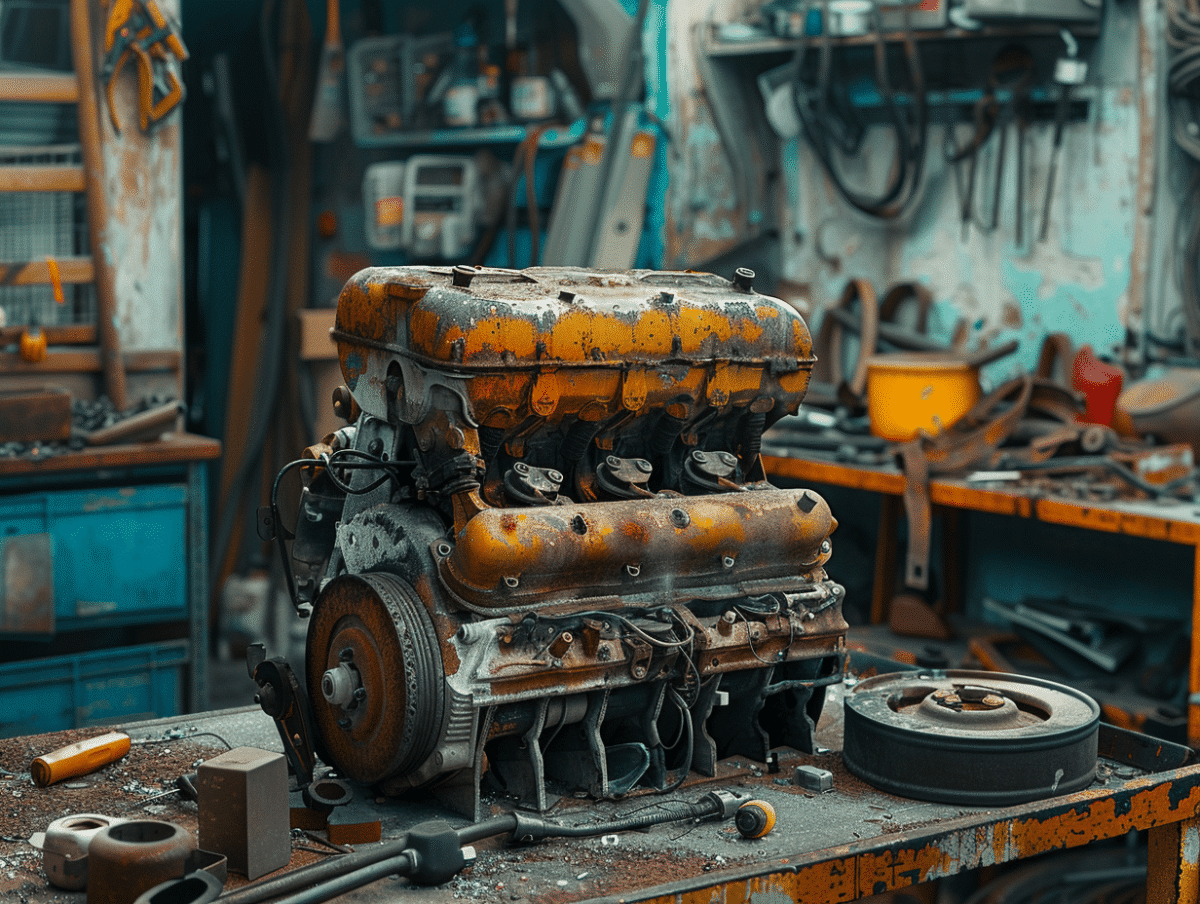
When the maintenance of a car’s engine is neglected, the consequences can be more severe than mere mechanical setbacks. Poor regular maintenance can lead to a cascade of internal failures, affecting not only the vehicle’s performance but also its safety. Engine oil, which should be changed regularly, when old and saturated with debris, no longer lubricates properly, increasing friction and wear on internal components. This negligence can ultimately lead to costly repairs, a significant reduction in engine lifespan, and excessive fuel consumption, not to mention the negative environmental impact due to increased pollutant emissions.
Impact of Neglected Maintenance on Engine Performance and Durability
The preventive maintenance is the foundation on which the health of an engine rests. Clean engine oil not only ensures lubrication but also contributes to the cooling of the engine’s internal parts. In its absence, the engine suffers from increased friction, leading to abnormal performance and premature wear of parts, clear symptoms of failing engine maintenance.
The lack of monitoring of the oil level, often indicated by a warning light on the dashboard, can be fatal. Consider the case of brown coolant: a clear sign of oil contamination, this indicates a possible head gasket failure, a mechanical emergency that, if not addressed in time, can cause irreversible damage to the engine.
The relationship between regular maintenance and automotive safety is direct and inseparable. Undetected engine problems can lead to high-risk situations in traffic, where a sudden loss of power or overheating severely compromises vehicle control.
The longevity and efficiency of an engine depend on the rigor with which maintenance is performed. Therefore, do not overlook these precautionary measures that, far from being mere formalities, are the guarantees of a high-performing and durable engine. Drivers, as the ones responsible for their vehicle, must ensure regular checks of the oil level, constant attention to dashboard signals, and periodic visits to their mechanic.

The Economic and Environmental Repercussions of a Poorly Maintained Engine
An excessive fuel consumption is often a reflection of an engine that is struggling, a direct consequence of inadequate lubrication. A lack of oil leads to an increase in the internal resistance of the engine, forcing it to consume more to achieve the same performance. In the long run, this overconsumption has a significant economic impact on drivers’ budgets, not to mention the cost of expensive repairs that will inevitably result from neglected maintenance.
The environmental impact of a poorly maintained engine should not be underestimated. Increased fuel use translates into higher greenhouse gas emissions, thereby contributing to the worsening of global ecological problems. Vehicles, whose oil level is not regularly checked, also release into the atmosphere polluting particles due to incomplete fuel combustion, exacerbating the air pollution we breathe.
To curb these harmful effects, rigor in vehicle maintenance is essential. Drivers must pay attention to signals, such as the warning light on the dashboard, indicating an anomaly in the oil level. Immediate responsiveness to these alerts and periodic maintenance can not only reduce fuel consumption but also limit the ecological footprint of the vehicle fleet. Individual responsibility combines with the collective imperative of environmental preservation.