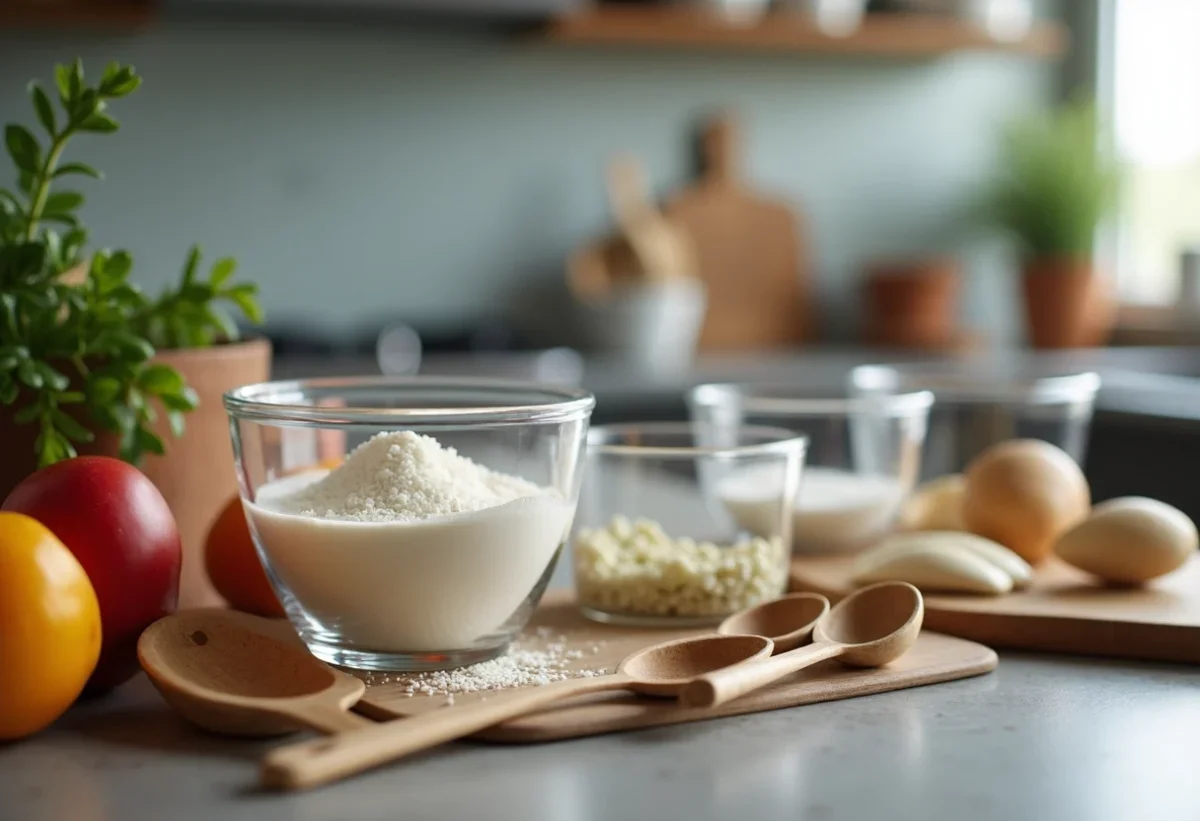
Cooking is an art where every detail matters, and knowing how to convert volumes can make all the difference between a successful dish and a culinary failure. Whether it’s to adapt an American recipe using cups or to switch from a measurement in milliliters to one in grams, these conversions can quickly become a headache.
Fortunately, a few practical tips can simplify these operations. For example, remembering that 1 cup is equivalent to 240 milliliters or that 1 tablespoon corresponds to 15 milliliters can save many recipes. Using an electronic scale with a built-in conversion function can also prove extremely useful.
The fundamentals of volume conversion in cooking
Understanding units of measurement is essential for anyone venturing into the kitchen. Volume measurements include liter (l), milliliter (ml), centiliter (cl), tablespoon (tbsp), and teaspoon (tsp). Each unit has its own utility, and knowing how to switch from one to another requires a minimum familiarity with these concepts.
The density of ingredients plays a key role in the conversion between volume and weight. For example, 100 ml of water weighs 100 grams, but 100 ml of flour only weighs 55 grams. This difference is due to the specific density of each ingredient, which requires special attention during conversions.
To facilitate these conversions, here are some basic equivalences:
- 1 liter (l) = 1000 milliliters (ml) = 100 centiliters (cl)
- 1 tablespoon (tbsp) = 15 milliliters (ml)
- 1 teaspoon (tsp) = 5 milliliters (ml)
To convert a volume like 350 ml to cl, simply divide by 10, which gives you 35 cl. Using tools such as measuring cups, measuring spoons, and kitchen scales ensures optimal precision in your recipes.
Conversion charts are also valuable allies. They provide an overview of the most common equivalences and ensure consistency in culinary results. These charts can be found in cookbooks or on specialized websites. For better accuracy, prefer stainless steel utensils, which offer superior durability and precision. 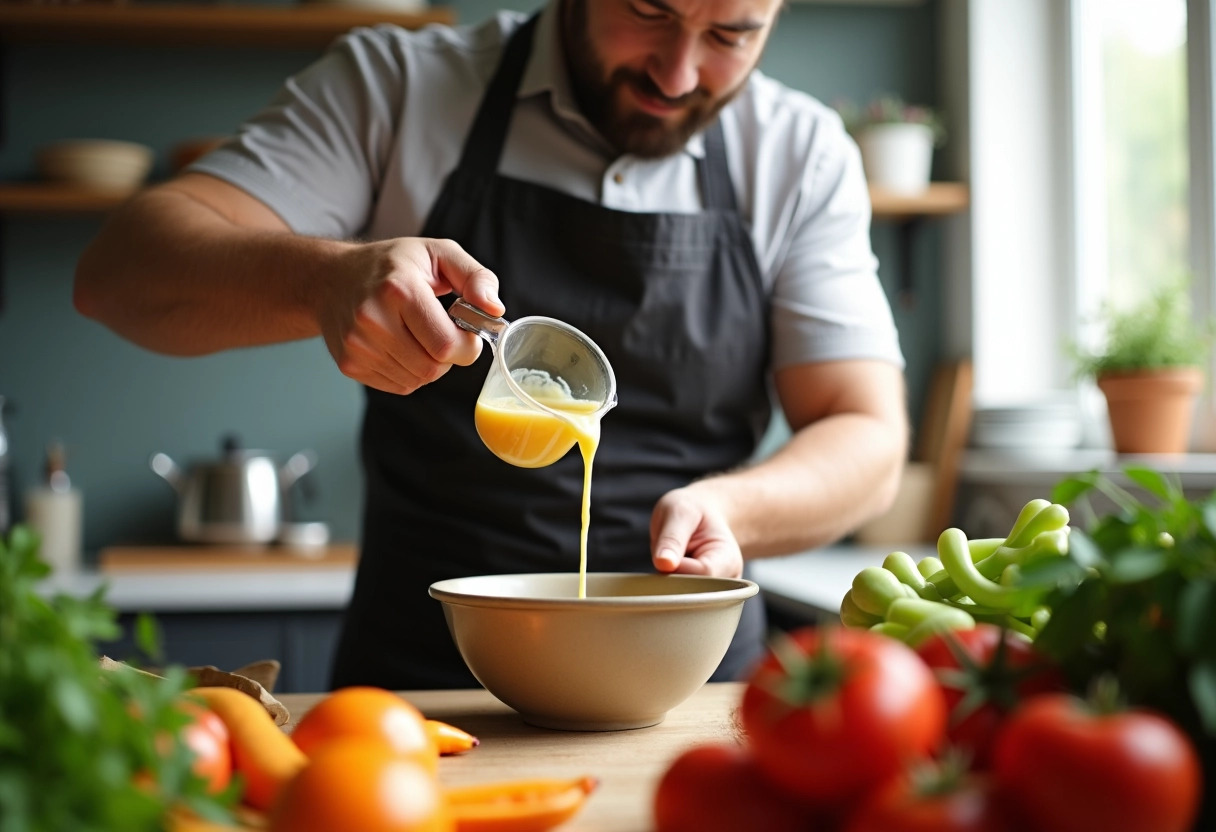
Tips and techniques for precise and effective conversions
Modern cooking demands a nearly scientific rigor to ensure consistent results. Using appropriate utensils helps reduce approximations. The measuring cup, for example, is essential for measuring liquids. Make sure it is placed on a flat surface and at eye level to read the measurements correctly.
Mobile apps and specialized websites offer real-time conversion tools. They allow you to quickly switch from one unit to another without making mistakes. For example, converting milliliters to grams becomes child’s play thanks to these digital resources.
Some tips:
- Use a kitchen scale for dry ingredients. It offers unmatched precision compared to measuring spoons.
- Prefer magnetic stainless steel spoons for increased longevity and accuracy.
- For small quantities, a graduated syringe, originally intended for medical uses, can prove extremely precise.
Conversion charts are indispensable allies. They allow you to quickly navigate among different units. For example, a French tablespoon contains about 15 ml while it contains 20 ml in the United States. These variations illustrate the importance of choosing your tools wisely and knowing the specifics of local measurements.
For conversions between volume and weight, the density of each ingredient must be taken into account. A density chart can provide this crucial information, ensuring remarkable accuracy in your recipes.