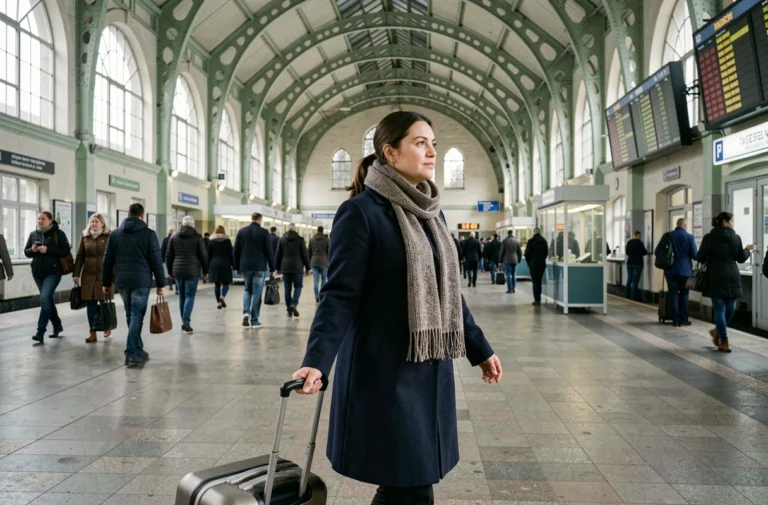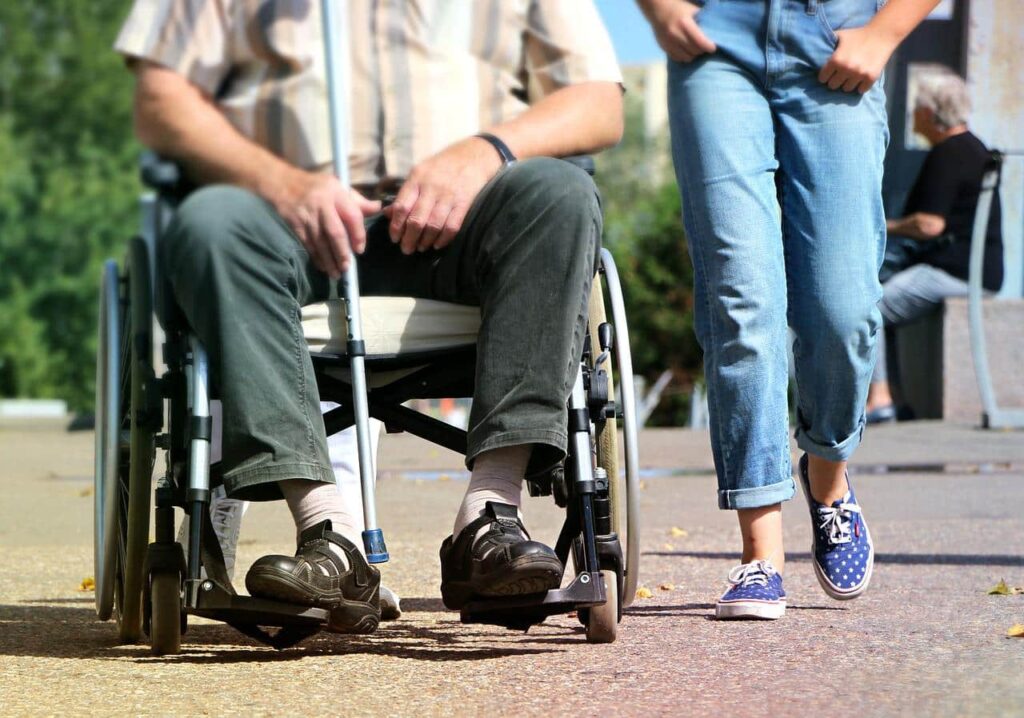
People with reduced mobility (PRM) must benefit from special accommodations tailored to their situation. Due to their disability, the installation of their equipment at home must take several elements into account. Do you want to know how to arrange the home of a person with reduced mobility? This article will inform you.
Adapting the home to disability
To keep a person with reduced mobility at home, it is important to adapt their living space to their disability situation. Indeed, the arrangement of the homes of disabled individuals requires several modifications. A PRM toilet requires special arrangements. All rooms in the home must be rethought to facilitate the daily life of the PRM. First, you need to make the spaces in the house more spacious. This will allow for good circulation for the disabled person, especially when they are in a wheelchair. Secondly, you need to pay attention to the height of the furniture and equipment installed in the house. They should be close enough to facilitate the autonomy of the disabled person. The equipment must be installed in such a way as to allow the individual to use them easily.
Arranging each room for a PRM
To install equipment suitable for disabled individuals, it is important to know the steps to follow depending on each room.
The general arrangement of rooms
In general, it is important to know that you should not overload the rooms with unnecessary furniture. The same goes for all superfluous items that are not essential for the disabled person. Regarding the size of the furniture, it is preferable to opt for small tables. The installed doors should be sliding or retractable. On the other hand, some equipment can be programmed remotely. The disabled person will just need to use remote controls to operate the roller shutters, for example.
Furthermore, you should know that bungalows are the most recommended for these modifications. Indeed, they easily resemble a disability situation. Otherwise, it is also possible to find solutions. This involves planning for:
- The installation of a stairlift or a lifting chair;
- The provision of a seat fixed to a rail to move from one floor to another (this device is remote-controlled);
- the installation of a lift platform.
These various pieces of equipment will help make life easier for people with reduced mobility.
Arranging a kitchen for a PRM
First, you need to set up an open kitchen. This will be easier to use for a person with reduced mobility. Secondly, a wall-mounted sink is a good option for wheelchair users. Also, the work surface installed in the kitchen should be adjustable. This way, the disabled person can adjust it according to their needs. Height is a detail you must always consider. The various appliances must be easily accessible.
Arranging the bathroom and toilets
Bathrooms and toilets are important rooms for disabled individuals. You need to arrange them in a special way. It is therefore advisable to install suitable equipment, including:
- a walk-in bathtub;
- a walk-in shower;
- support bars;
- a wall-mounted sink (preferably between 90 and 130cm from the floor);
- a raised toilet;
- towels, soap, handles, or toilet paper dispensers within reach.
The installation of these various pieces of equipment will create practical spaces adapted for the disabled. Furthermore, the installation of appropriate equipment is not limited to the interior. Work done outside can also contribute to improving the daily life of a person with reduced mobility. For example, you can lay a special surface and clear space to allow them to move around with ease. It would also be beneficial to remove steps that could hinder their movement. You should also plan spaces to allow the PRM to enter and exit easily from a car if you have a garage.