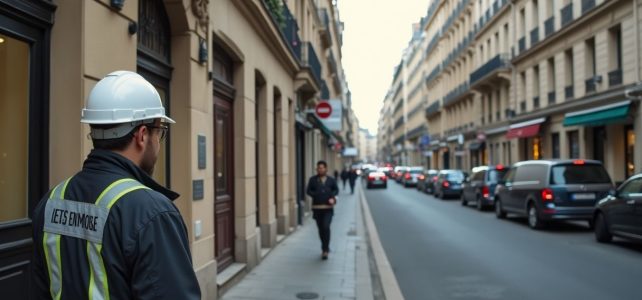
When a Parisian considers selling or renting a property, an essential step must be taken: the property diagnosis. This set of technical assessments ensures that a dwelling complies with current regulations and guarantees the safety of its occupants. In Paris, where the real estate market is constantly bustling, this process is particularly important. Between checking for asbestos, evaluating energy performance, and detecting lead, the property diagnosis serves as a guarantee of transparency for the parties involved.
But what does this diagnosis really entail in the capital? Why is it so crucial for securing real estate transactions?
Understanding the Different Types of Property Diagnoses
Property diagnoses in Paris are varied, and each meets specific legal requirements. These technical assessments, mandatory when selling or renting a property, ensure that the dwelling complies with safety and health standards. In the following lines, we will detail some of the most important diagnoses.
The energy performance diagnosis (DPE) is one of the main ones. It evaluates the energy consumption and environmental impact of the dwelling. In Paris, where many buildings are old, this diagnosis is of increased importance to raise awareness among owners about energy savings.
The asbestos report, another crucial diagnosis, concerns buildings constructed before 1997. Its presence can pose a serious health risk, hence the obligation to inform potential buyers.
Next is the lead diagnosis, required for buildings built before 1949, and the gas and electricity diagnosis to check the internal installations. Each of these diagnoses contributes to the safety of future occupants. In Paris, regulations are strict, and any non-compliance can lead to serious consequences for the seller or landlord.
The Property Diagnosis Process in Paris
Conducting a property diagnosis in Paris requires a precise methodology. Although the process may seem complex, it generally follows well-defined steps, ensuring a rigorous and detailed evaluation of the property in question.
- Contacting a certified diagnostician: Before starting, it is essential to choose a professional accredited by the relevant authorities. Their certification guarantees the compliance of the diagnoses performed.
- Property visit: The diagnostician conducts a thorough inspection of the dwelling, taking into account all required regulatory aspects.
- Conducting the diagnoses: Each diagnosis is performed according to specific standards, whether it concerns asbestos, lead, or energy performance.
- Delivery of the file: At the end of the process, the diagnostician provides a complete technical diagnosis file (DDT) to the owner, necessary during the transaction.
The Legal and Financial Stakes of Property Diagnosis
Paris, a city of history and modernity, imposes a strict legal framework to ensure the safety and well-being of its inhabitants. The property diagnosis in Paris has an essential legal dimension. The consequences of non-compliance can be severe, both legally and financially.
- Legally, the absence of a diagnosis or its non-compliance can lead to the cancellation of a sale or even legal action in case of a dispute.
- Financially, an incorrect or missing diagnosis can result in penalties or a renegotiation of the sale or rental price, often downward.
- Potential buyers are increasingly vigilant, demanding guarantees regarding the safety and health of the property they are about to acquire.
Selecting the Right Professional for Your Property Diagnosis
Choosing the right professional to conduct a property diagnosis in Paris is a crucial step. Several criteria should guide this selection to ensure the quality and reliability of the diagnoses performed.
First and foremost, verifying the certifications and accreditations of the diagnostician is imperative. These qualifications ensure that the professional is well-versed in all legal requirements. The reputation of the diagnostician, as well as reviews from former clients, can also guide this choice.
Finally, comparing the rates charged and ensuring there are no hidden costs can prevent many inconveniences.
In a city as demanding as Paris, rigor and professionalism are essential assets for securing a real estate transaction.