
An over-the-counter medication refers to any pharmaceutical product available in pharmacies without a prescription. The ANSM (National Agency for the Safety of Medicines) establishes and regularly updates the list. This accessibility creates a reflex: pain, fever, stuffy nose, we self-medicate. The problem does not lie with the medication itself, but with how it is used when no one supervises the intake.
Masking Effect: When the Medication Hides the Real Problem
An analgesic like paracetamol relieves pain but does not treat its cause. Taking a tablet for an occasional migraine is reasonable. Repeating the intake for days due to persistent pain is akin to turning off a smoke detector without looking for the fire.
This is the most underestimated mechanism of over-the-counter medications: masking a symptom delays diagnosis. Abdominal pain treated with paracetamol for two weeks may correspond to a condition that would have warranted a consultation by the third day.
The same reasoning applies to nasal decongestants. Used beyond a few days, they can cause rebound congestion, meaning they worsen the symptom they are supposed to treat. The nose becomes more congested upon stopping, prompting the user to resume the product. This vicious cycle, documented by several scientific publications, illustrates how an over-the-counter product can create a functional dependency without the patient realizing it.
As detailed in the advice from Utile au Quotidien, these everyday situations require a vigilance that easy access does not spontaneously encourage.

Drug Interactions with Chronic Treatment
People on long-term treatment (antihypertensive, anticoagulant, antidepressant) take a specific risk by adding an over-the-counter medication. Ibuprofen, for example, can reduce the effectiveness of certain antihypertensives and increase the risk of bleeding in patients on anticoagulants.
The problem becomes more complicated when multiple active substances are combined in the same product. Many cold remedies combine an analgesic, a decongestant, and sometimes an antihistamine. A patient already taking paracetamol for another reason may unknowingly exceed the maximum dose simply by adding a “cold medication.”
Substances to Monitor in Self-Medication
- Paracetamol, found in dozens of different products, poses a risk of hepatic overdose when multiple products containing it are taken simultaneously
- Non-steroidal anti-inflammatory drugs (ibuprofen, aspirin) can interact with cardiac, renal, or digestive treatments
- Some antacids alter the absorption of other medications taken at the same time, reducing their effectiveness
The ANSM also reminds us that even common treatments like certain antibiotics or antifungals can generate serious interactions with other substances. The reflex to consult a pharmacist before any purchase remains the best barrier against these risks.
Over-the-Counter Medications and Children: A Risk of Domestic Accidents
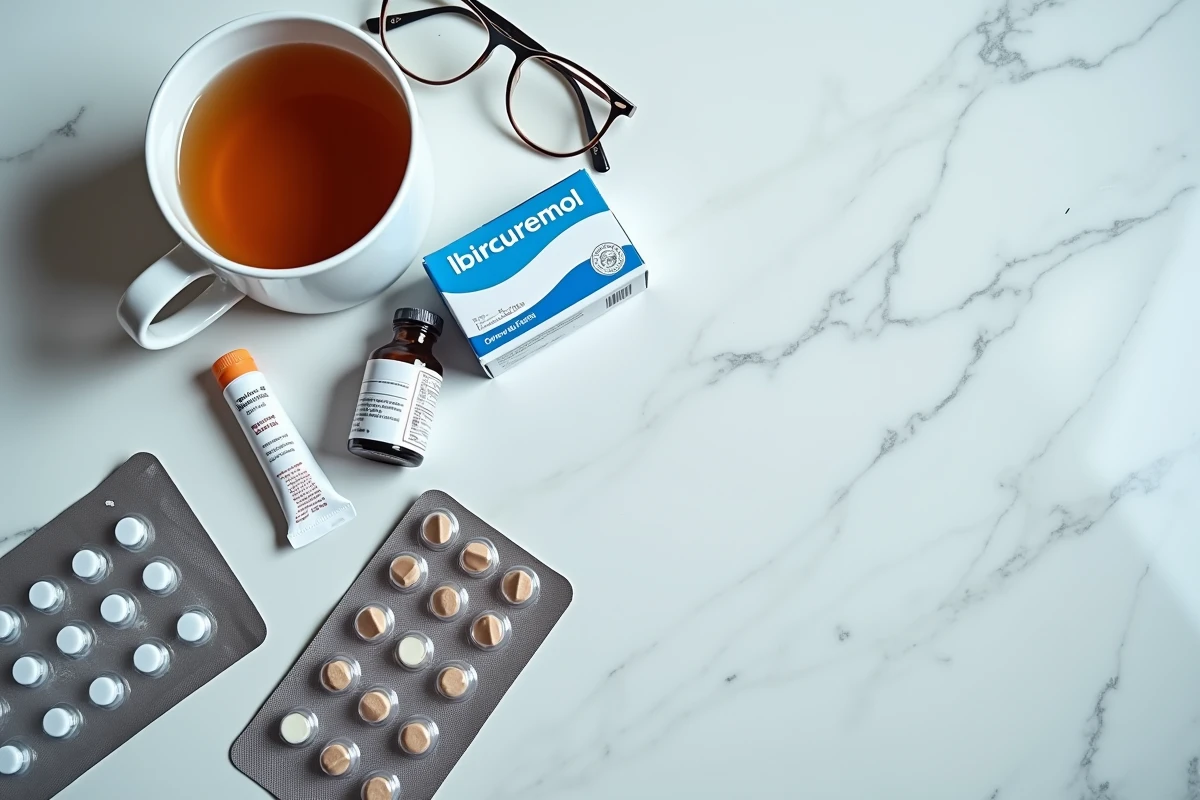
Easy access to over-the-counter medications poses a particular problem in homes with children. A box of paracetamol left on a coffee table, a sweet-tasting syrup stored in an accessible cupboard: an accidental ingestion by a child can have serious consequences, even with products considered “harmless” by adults.
The ANSM emphasizes the need to keep all medications out of reach of children, ideally in a locked space. This recommendation does not only apply to prescription treatments. A simple bottle of nasal solution or a tube of cream containing an active ingredient can cause poisoning in a young child.
Pediatric Dosage and Dosage Errors
The other trap concerns dosage. The “adult” and “child” forms of the same medication sometimes differ only in concentration. Administering an adult dose of paracetamol to a three-year-old exposes them to severe hepatic toxicity. The dosing devices (syringes, droppers) provided with pediatric forms exist for this reason and are not interchangeable from one product to another.
The Role of the Pharmacist in Self-Medication
The pharmacist remains the last filter before taking an over-the-counter medication. Their role is not limited to selling: they check compatibility with ongoing treatments, tailor advice to the patient’s age, and refer to a doctor when the situation warrants it.
This filter disappears in two scenarios. The first: purchasing medications online, where advice is often reduced to a standardized leaflet. The second: medications placed in open access on pharmacy shelves, which the patient can grab without going through the counter.
- Always inform the pharmacist of ongoing treatments, even those that seem unrelated
- Check the complete composition of the product (active ingredients, excipients) to avoid duplicating molecules
- Do not extend an over-the-counter treatment beyond the duration indicated on the leaflet without medical advice
- Keep medications in their original packaging with the leaflet, to verify contraindications at any time
An over-the-counter medication is still a medication, with active ingredients, potential side effects, and contraindications. Easy access does not diminish the pharmacological potency of the product. Treating a benign symptom with an appropriate product, at the right dose and for a limited duration is a reasonable approach. Turning self-medication into a prolonged reflex without professional advice confuses accessibility with safety.