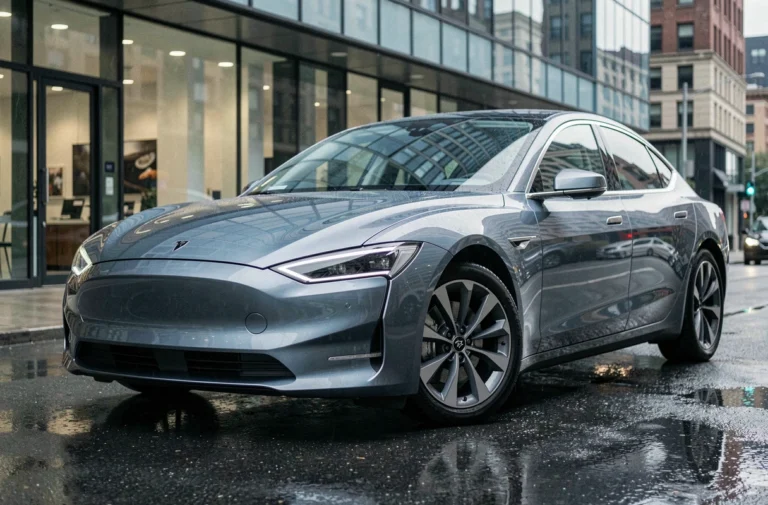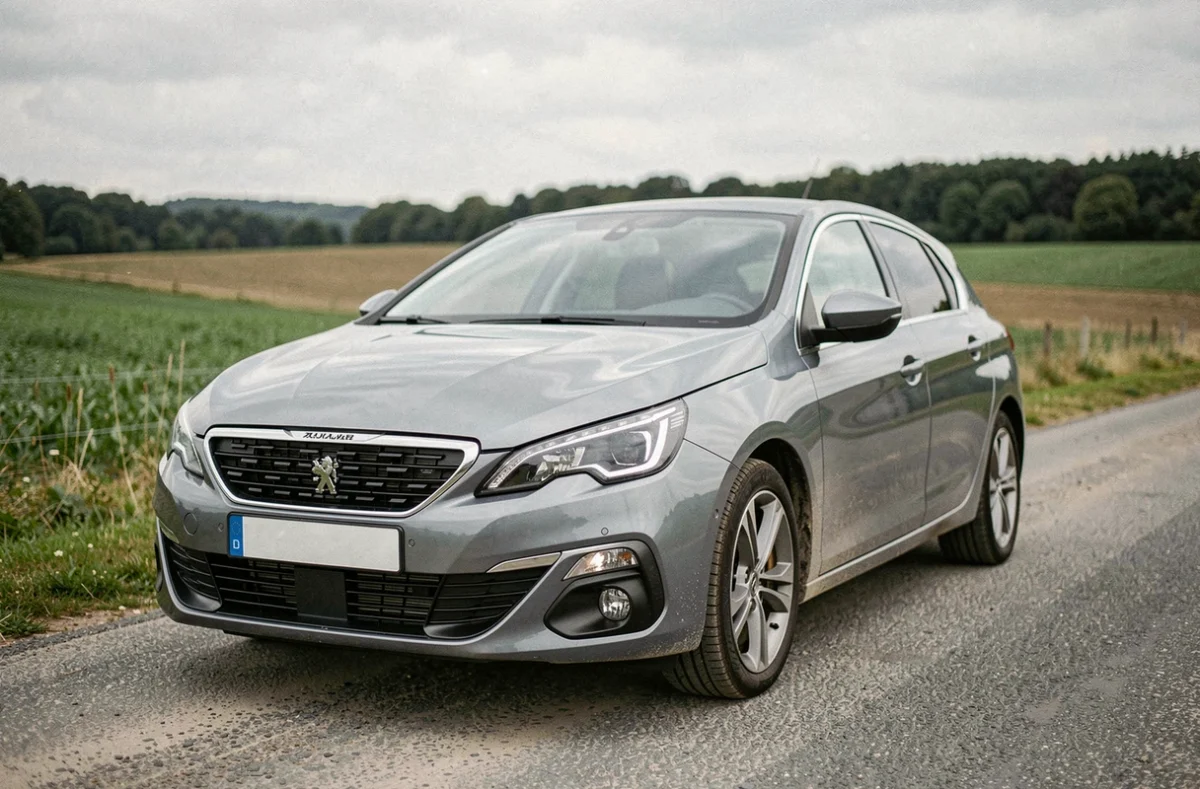
The facelifted Peugeot 308 III has now covered enough miles in fleet use for real-world feedback to go beyond first impressions. Between Stellantis’ fixes for the BlueHDi, the switch to a timing chain on the Hybrid 145 and the limitations of the PureTech EAT8 under heavy use, the right choice depends on annual mileage and driving profile.
Hybrid 145 timing chain: what long-term mileage can—and cannot—tell us
The Hybrid 145 marks a technical break with previous generations of Peugeot three-cylinder engines. Replacing the wet belt with a timing chain removes the most widely documented failure point of older PureTech engines. For high-mileage drivers, this is a structural change, not a cosmetic one.
The 48 V mild-hybrid system provides only occasional assistance. Road tests describe a well-insulated, comfortable car on the motorway, but one that lacks punch when accelerating. Electrification does not allow the car to travel significant distances in zero-emission mode: it smooths out jolts and reduces fuel consumption in urban driving, without changing the car’s motorway performance.
There is still limited long-distance reliability data for this powertrain. The timing chain looks reassuring on paper, but fleet data does not yet cover a complete high-mileage lifecycle. Those consulting Peugeot 308 reviews in 2026 will find encouraging feedback at the early mileage milestones, but no statistical guarantee beyond them.
BlueHDi 130 and SCR fixes: diesel regains credibility in fleet use
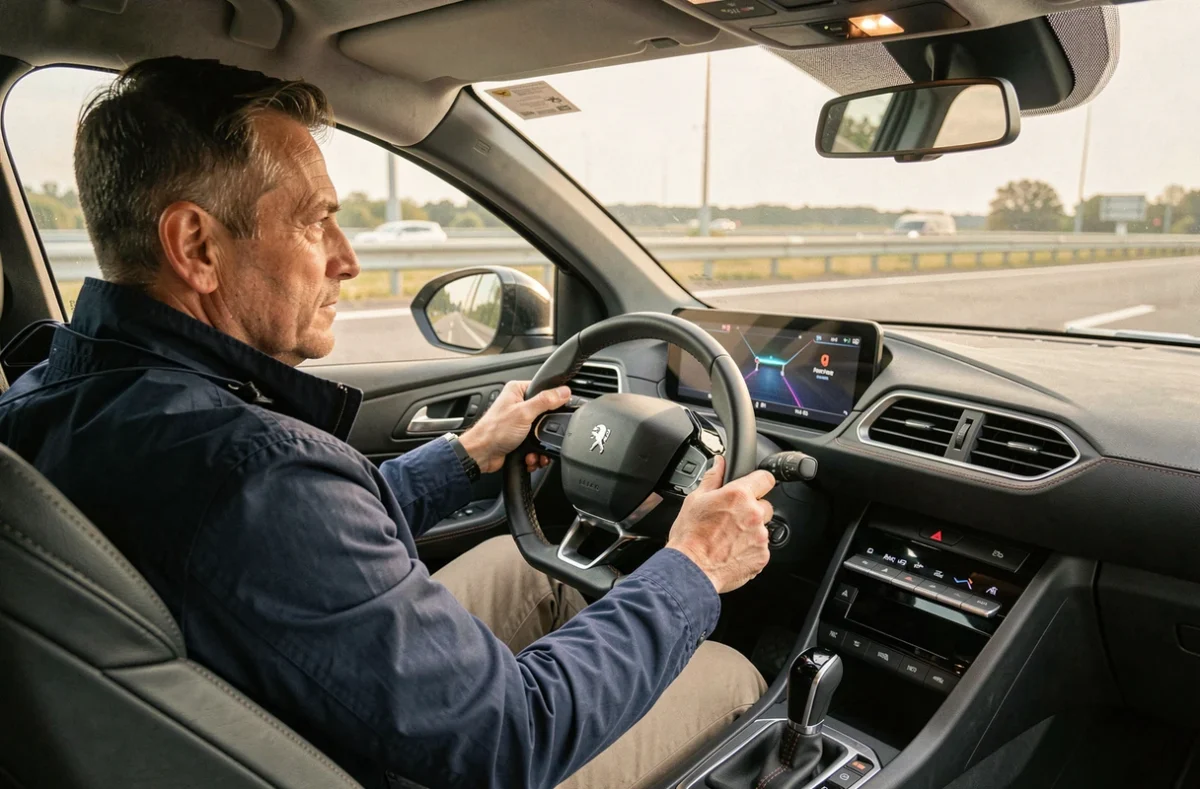
The BlueHDi 130 remains the default choice for travelling sales representatives and private-hire drivers who cover well above the average annual mileage. On 2021 to 2023 models, AdBlue sensor failures and SCR catalytic converter faults were the main causes of unplanned downtime reported by fleet managers.
In late 2024, Stellantis rolled out software and hardware fixes specifically targeting this issue. Internal technical bulletin DAT-AT-PT130-2024-07, reported in the specialist press, officially documents these changes. Since then, professional fleets have reported a noticeable drop in SCR-related limp mode incidents.
This is more than a simple patch: recalibrating the sensors and updating the control unit changes how the system responds to variations in AdBlue quality. For high-mileage diesel drivers, the question is no longer whether the BlueHDi 130 is reliable, but whether the vehicle they are considering has received the network update. A visit to a dealership is enough to confirm this.
PureTech 130 EAT8 under heavy use: real-world service intervals and points to watch
The PureTech 130 paired with the EAT8 gearbox is still available in the 308, and some high-mileage petrol drivers choose it out of habit or budget constraints. Real-world feedback calls for a few technical clarifications.
- Service history matters just as much as the mileage shown. Stellantis’ support scheme for older PureTech engines is subject to strict maintenance requirements and covers only specific faults (wet belt, tensioner). It is not a general warranty.
- When buying a used 308, a stamped service book and a verifiable oil-change history are essential. A vehicle with no documented service history represents a disproportionate risk, regardless of mileage.
- Stellantis’ compensation platform for defective PureTech engines is available, but eligibility requirements exclude vehicles that have not been serviced by an authorised dealer or in accordance with the manufacturer’s recommendations.
In short, the PureTech 130 is not ruled out for heavy use, provided you are prepared to follow a stricter maintenance schedule than the BlueHDi requires.
Long-distance comfort in the 308: seats, sound insulation and chassis limitations
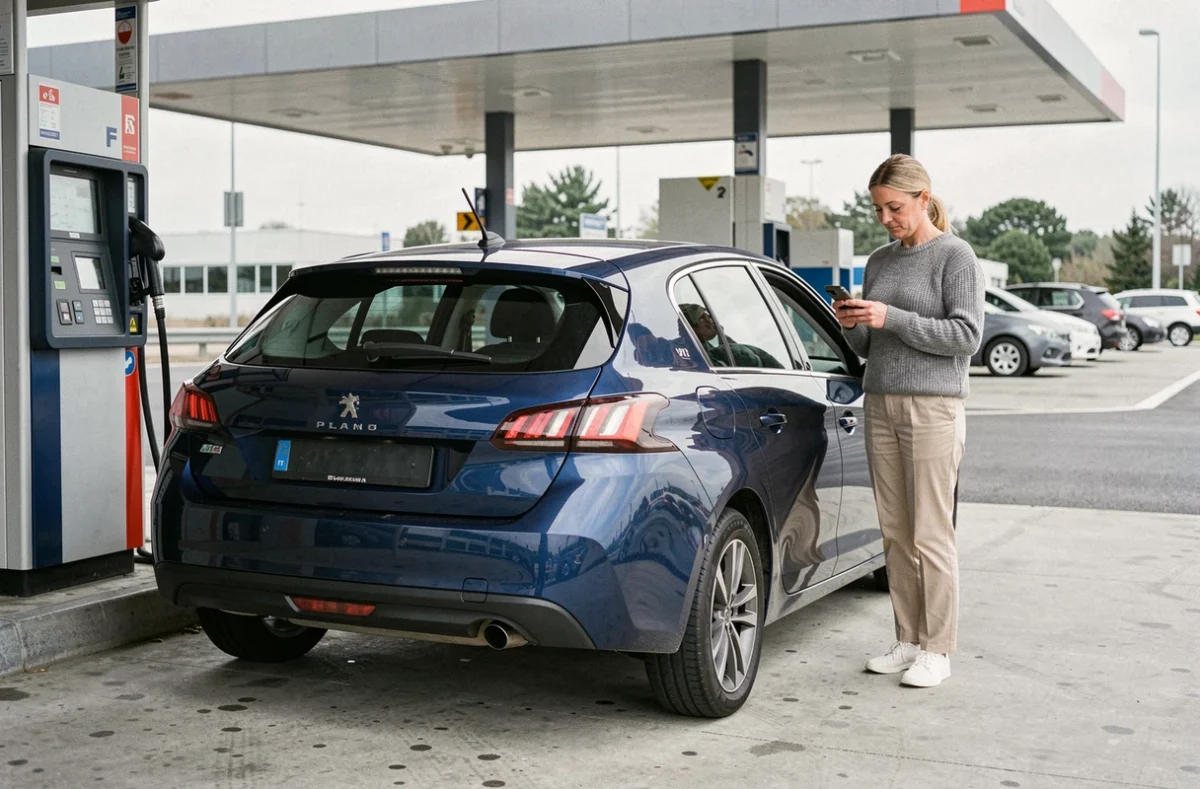
Comfort on long journeys is the second criterion high-mileage drivers cite after mechanical reliability. In this respect, the facelifted 308 III is well positioned in the C-segment, with a few caveats.
Most reviewers and private-hire drivers consider the seats suitable for journeys lasting several hours. The lateral support and seat cushioning hold up over long distances without causing early lower-back fatigue. Sound insulation is improved over the Phase 1 model, particularly around the wheel arches.
The chassis remains geared towards sporty handling. Taxi and private-hire drivers covering urban and suburban miles appreciate the precise steering. However, speed bumps and poor road surfaces are felt more sharply than they would be with a comfort-focused suspension. This is a deliberate trade-off by Peugeot: the 308 is not a long-distance saloon, but a compact car that prioritises driving feel.
The i-Cockpit, with its small steering wheel and high-mounted instruments, remains divisive. Those who adapt to it never look back. Others find the driving position unnatural, especially above a certain height. Before buying a car for high-mileage use, an extended test drive—not ten minutes at the dealership—is the only way to decide.
Which 308 engine is right for each high-mileage driving profile?
The choice depends on annual mileage and the type of journeys you make most often. Three scenarios stand out.
- For high annual mileage, mostly on motorways, the BlueHDi 130 with SCR fixes applied remains the most rational choice for running costs and documented reliability.
- For a mix of urban and suburban driving with moderate daily journeys, the Hybrid 145 offers a balance of fuel economy and driving enjoyment without the AdBlue requirement, but you must accept the lack of long-term durability data.
- The PureTech 130 EAT8 suits petrol drivers who cover a lot of miles, provided they maintain an impeccable service record and choose a vehicle with a complete dealer-network history.
The facelifted 308 has no deal-breaker for heavy use. You simply need to choose your engine based on technical data, not an online configurator.