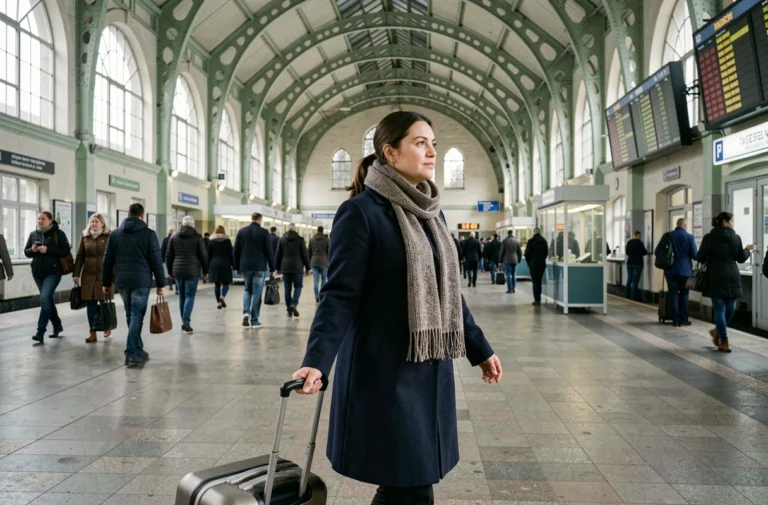
We’ve all opened our closet one March morning wondering if the jacket we wore in October was still relevant. The question isn’t about fleeting trends, but about method: how to create cohesive outfits when the weather, materials, and cuts change from season to season. Building a style that lasts all year is primarily about choosing pieces and combinations, not about budget.
Materials suited to each season: the factor that changes a piece’s lifespan
It’s the material that determines whether a piece transitions from autumn to spring without ending up at the bottom of a drawer. Colors and cuts matter, but the fabric remains the first filter to apply.
A thick raw cotton jean is suitable for winter but clings to the skin in June. A lightweight cotton twill pant, on the other hand, works from spring to autumn with a simple change of outer layer. Choosing the right material prevents buying the same piece twice.
For the upper body, medium gauge knitwear (neither too thin nor chunky) remains the most versatile option. It can be worn alone in spring, under a coat in winter. Chunky knits, which are very present in winter fashion advice, limit use to three months of the year, making them a poor investment if you’re looking for style longevity.
For dresses, blended linen or textured cotton allows for coverage in spring and summer. By adding opaque tights and a structured jacket, you can extend the dress until October. When you regularly check the fashion section of News Online Passion, you quickly spot materials that work across multiple seasons before making a decision.

Fashion trends 2025-2026: what truly structures sustainable looks
The quiet luxury movement, which has seen continuous growth in searches in France since 2023, is more than just a buzzword. It reflects a concrete shift in how we dress: fewer logos, more tailored cuts, and subdued colors.
In practice, this translates into three choices that simplify the wardrobe:
- Pieces in neutral shades (ecru, heather gray, navy blue, beige) that combine effortlessly, regardless of the season
- Straight or slightly oversized cuts on top, more structured on the bottom, to create a readable silhouette contrast
- Discreet but higher-quality accessories, a smooth leather bag or a thin belt, rather than an accumulation of seasonal jewelry
This style works because it relies on proportions, not on statement pieces that need to be renewed each season. A well-tailored suit pant in a fluid fabric can transition from January to September with a simple change of shoes.
Colors that transcend seasons without dating
The classic pitfall is buying the trendy color of the moment (butter yellow for spring 2026, for example) only to be left wondering what to do with it six months later. To stay stylish all year round, build your base on timeless shades and reserve bright colors for accessories or a single piece per outfit.
Navy blue, off-white, and khaki work just as well in winter as they do in summer. Opinions vary on black in the height of summer, with some finding the color too heavy in the heat, but a lightweight black cotton in a loose cut remains a safe bet.
Second-hand and wardrobe rotation: a practical method to vary your style
Second-hand shopping is rapidly gaining popularity among 18-35 year-olds, for both economic and image reasons. Beyond the societal dimension, it’s a practical tool for daily style.
Second-hand allows you to test a cut or style without a permanent commitment. Unsure about the barrel jean, the wide cut of the moment? You can find a second-hand one, wear it for three weeks, and see if it suits your silhouette before investing in new.
Rotation also works the other way: selling pieces you no longer wear funds the purchase of the next piece. You maintain a stable wardrobe volume without accumulation.
Building a complete outfit with pieces from different seasons
The common mistake is to think in “collections.” You buy the complete autumn look, then the complete spring look. The result: pieces that don’t communicate with each other.
The more effective method is to think in compatible layers:
- A base (t-shirt, shirt, or top) worn year-round, adapting the material to the season
- An intermediate layer (light sweater, cardigan, unlined jacket) that transitions from autumn to spring
- An outer layer (coat, parka, trench) reserved for winter or rainy days
When each layer is designed to work with the others, you can create dozens of outfits from about fifteen pieces. This is the principle of a capsule wardrobe applied in practice, not just in theory.
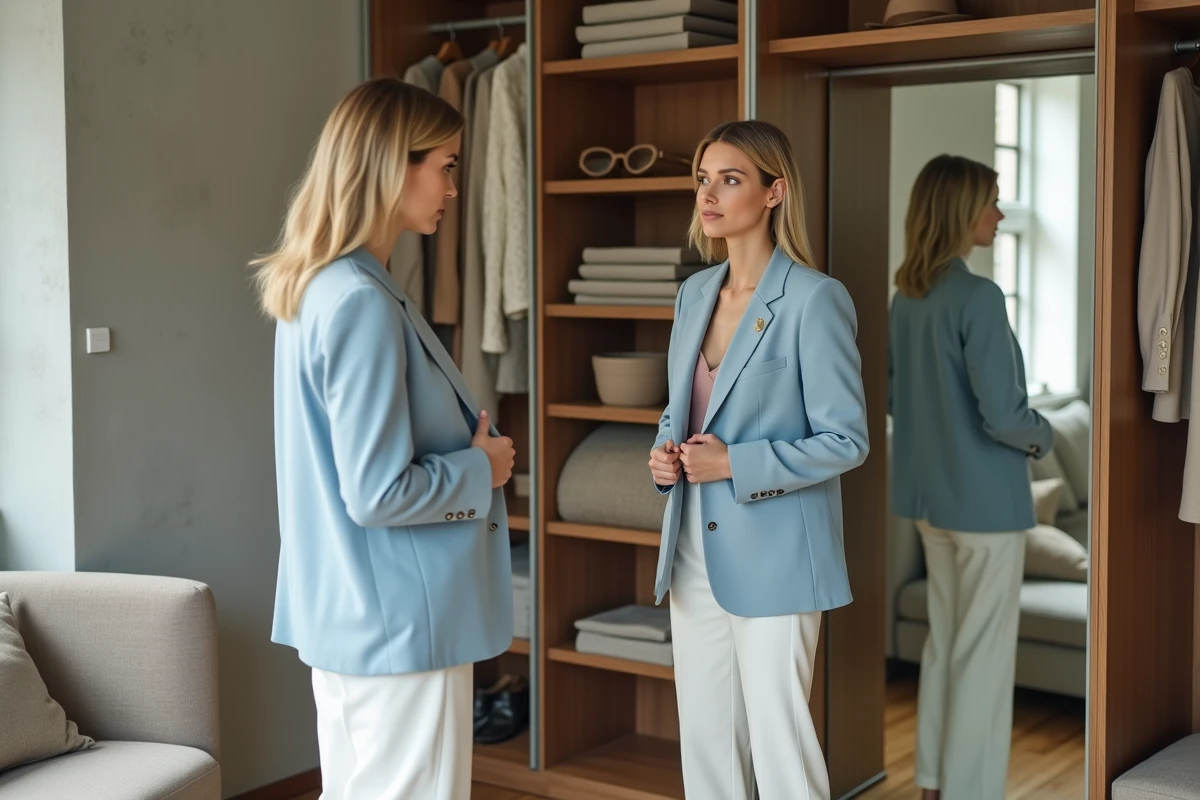
Clothing durability and textile regulation: what changes fashion purchases
The European Green Deal and the upcoming EU textile strategy are gradually imposing more transparency on product sustainability. For consumers, this translates into clearer access to eco-design and reparability information on labels.
In practice, this encourages brands to focus on pieces designed to last multiple seasons. A coat with seams and lining designed to be repaired is better than a trendy model tossed after one winter. Checking composition and finishes before purchase becomes a style reflex as much as an ethical one.
This demand aligns with the quiet luxury approach: we buy less, we buy better, and each piece must justify its place in the closet for at least two seasons. Today’s fashion trend guide can no longer ignore the issue of clothing longevity.
Ultimately, staying stylish all year round doesn’t require an expansive budget or constant monitoring of fashion shows. A closet made up of about fifteen well-chosen pieces, in versatile materials and cuts that layer well, covers almost all situations. The next time you’re hesitating over a purchase, the right question isn’t “Is it trendy?” but “How many pieces from my closet does it work with?”.