A tailor-made trip is not just about choosing a destination. The type of accommodation shapes each day, each memory, each interaction with the territory traversed. Between the mobile micro-cabins appearing in rural areas and the regenerative lodges restoring their ecosystem, options have multiplied in recent years. However, it is essential to know which one corresponds to your way of traveling.
Tailored accommodation and reduced mobility: the big blind spot
Have you ever tried to book a treehouse or a traditional riad for a person in a wheelchair? In most cases, the descriptive sheets do not mention the width of the doors or the presence of an accessible shower. Lists of unusual accommodations almost systematically ignore this issue.
Adapting a tailor-made stay to reduced mobility is not just about finding a room on the ground floor. It involves checking concrete details: access ramp, step-free shower, bed height, as well as the accessibility of common areas and activities offered around the accommodation.
Some eco-lodges and charming hotels have started to integrate these criteria from the design stage. Instead of offering an “adapted” room isolated from the rest of the establishment, they rethink the overall circulation. The result: a stay where the traveler with reduced mobility shares the same spaces as others, without compromising the character of the place. Before booking, ask the host directly. An establishment that cannot provide precise answers has probably not made any provisions.
To explore different options tailored to your constraints, check out the accommodations on Voyager en Découverte that present various options by type of stay.
Mobile micro-cabins: flexible accommodation in rural areas
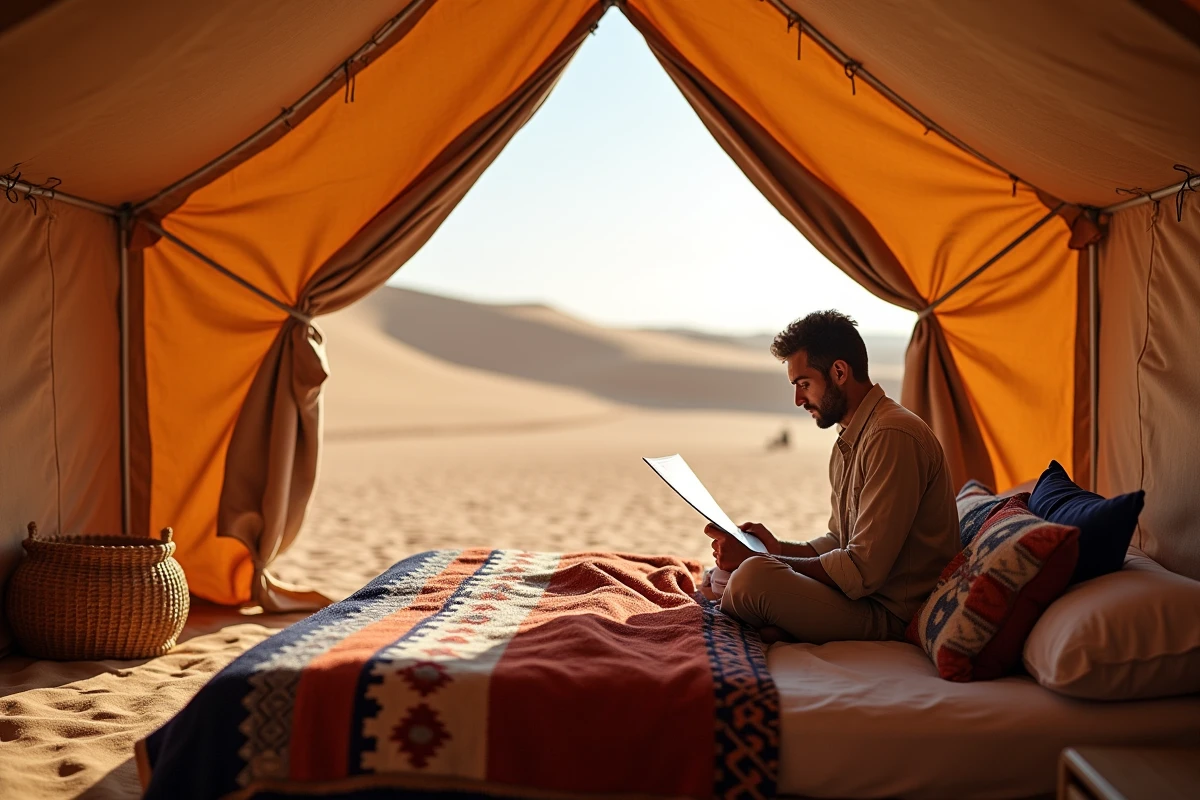
The idea seems simple: a small transportable structure, set up for a few months in a meadow, by a lake, or on the edge of a forest. Mobile micro-cabins stand out from traditional unusual accommodations by one specific point: they change location according to the season.
This format appeals to travelers seeking isolation without giving up basic comfort (decent bedding, water source, sometimes solar electricity). The “Hotel Trends” barometer from MKG Hospitality for 2025-2026 documents a rise in popularity of these micro-cabins, particularly in rural areas of France and Scandinavia.
Why does this format work for a tailor-made trip? Because it allows for the creation of an itinerary that does not exist in any catalog. You choose a territory, an owner sets up their cabin in a specific location for your stay, and then moves it afterward. The place becomes as ephemeral as the journey itself.
Here are a few points to check before booking a micro-cabin:
- The actual capacity (some structures accommodate a maximum of two people, including luggage)
- The road access to the site, especially during rainy or freezing periods
- The available sanitary facilities (integrated into the cabin or in a separate block nearby)
- The cancellation policy, often stricter than for a traditional hotel
Regenerative accommodations: traveling while restoring an ecosystem
The term “eco-friendly” has become so common that it no longer means much on a booking sheet. Regenerative accommodations go a step further: they aim to leave the territory in better condition than before the travelers’ arrival.
This can translate into a lodge where part of the rate funds the replanting of mangroves, or a farm-inn that reintroduces local plant varieties thanks to tourism revenues. These practices have been developing for a few years in Europe and Southeast Asia.
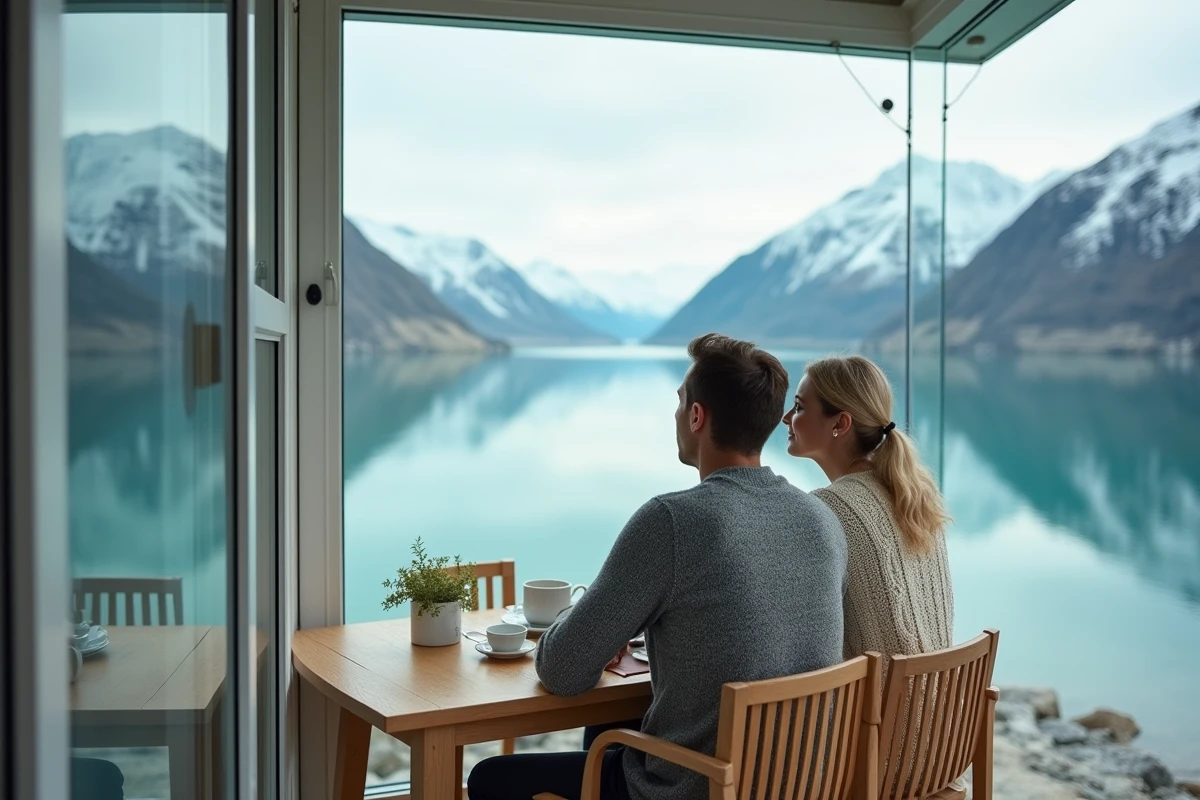
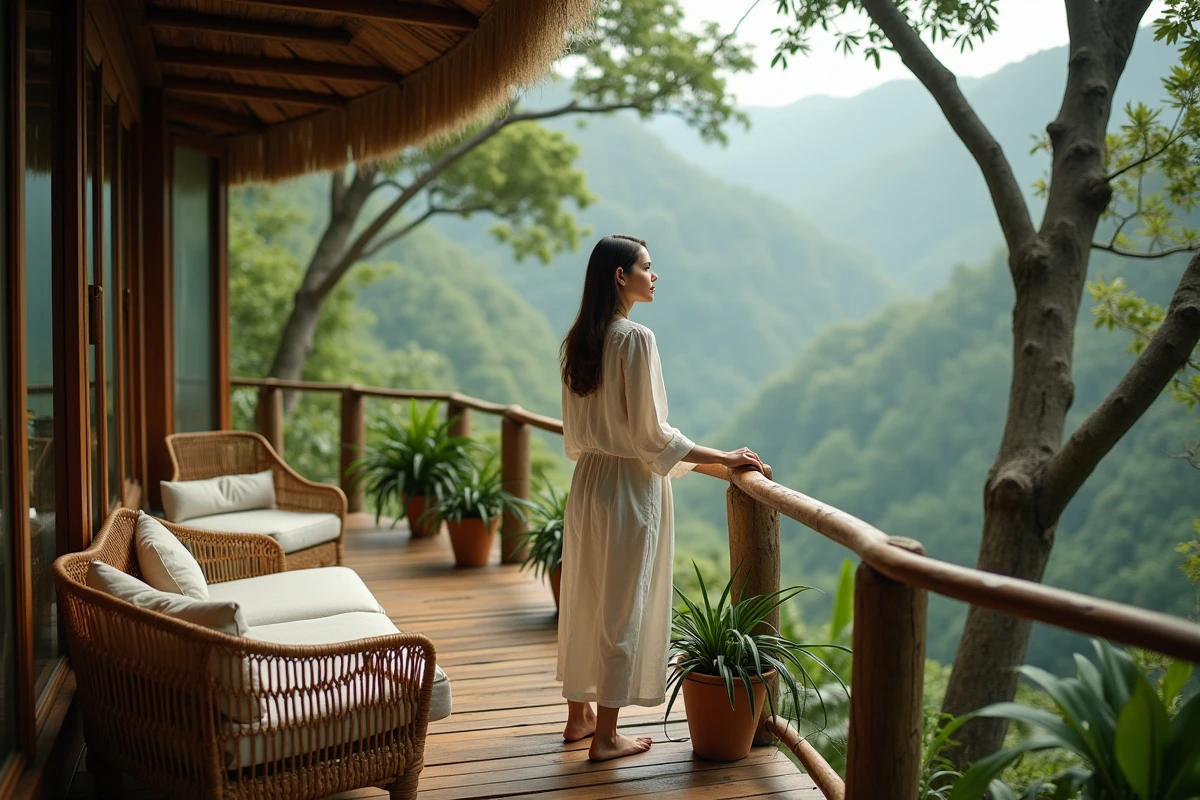
For the traveler, the difference is felt in the daily experience of the stay. Meals often come from the vegetable garden or producers located a few kilometers away. The proposed activities (guided hikes, wildlife observation, local cooking workshops) are rooted in the actual functioning of the place rather than in a tourist staging.
Be careful, the label “regenerative” does not yet have a unique official certification. Ask for concrete evidence of the actions taken: partnership with a local environmental association, annual planting report, traceability of food sourcing. An accommodation that displays this approach without being able to document it remains just marketing.
Personalization through AI: what real-time adjustments change
Since mid-2025, some high-end accommodations have been using artificial intelligence to adapt the stay over the days. The “Future of Travel” study by Skift Research (October 2025) indicates that travelers report increased satisfaction with these systems.
What does this look like in practice? AI can modify activity suggestions based on the next day’s weather, adjust the temperature or lighting of the room according to your habits, or suggest a restaurant that accommodates dietary restrictions mentioned upon arrival.
- Daily itinerary adjustments based on local conditions (weather, crowding, events)
- Restaurant recommendations filtered by dietary preferences or budget
- Adaptation of the room ambiance (light, temperature) based on recorded preferences
This personalization works best in establishments that limit their capacity. A boutique hotel with ten rooms can truly leverage this data. A resort with three hundred rooms produces more generic recommendations, regardless of the technology used.
A tailor-made trip is no longer defined solely by the destination or the duration of the stay. The choice of accommodation, its ability to adapt to specific needs (mobility, diet, travel pace), and its impact on the traversed territory are the true differentiating criteria. A well-chosen accommodation transforms a trip into an experience. A poorly adapted accommodation ultimately weighs on the stay, regardless of the setting.